Lock in your grip so your back and hamstrings can really work
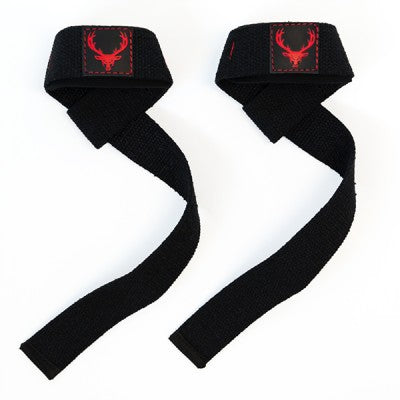
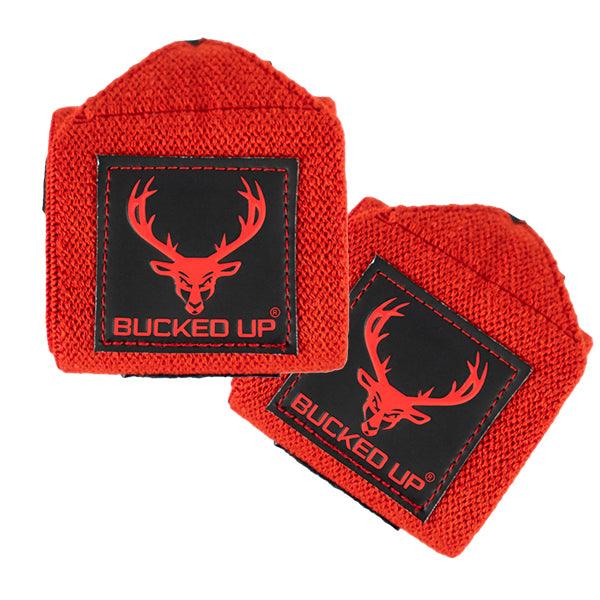
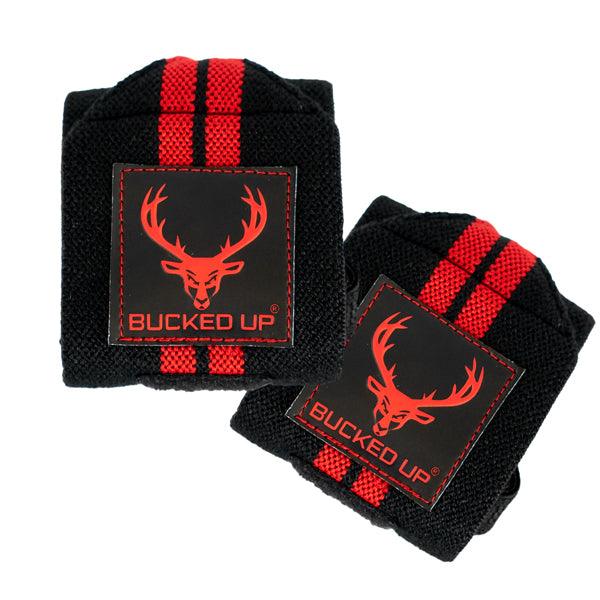
Bucked Up Lifting Straps aren't a supplement. They're a gym tool made to lock in your grip during pulls, so hand tiredness doesn't cut your sets short before the real muscles get worked. That's key. You can't break this down like a pre-workout because there's no ingredients list, no pills to take, and no body chemistry changes. The win is all mechanical: straps let you hit the muscles you're training by keeping grip from failing first.
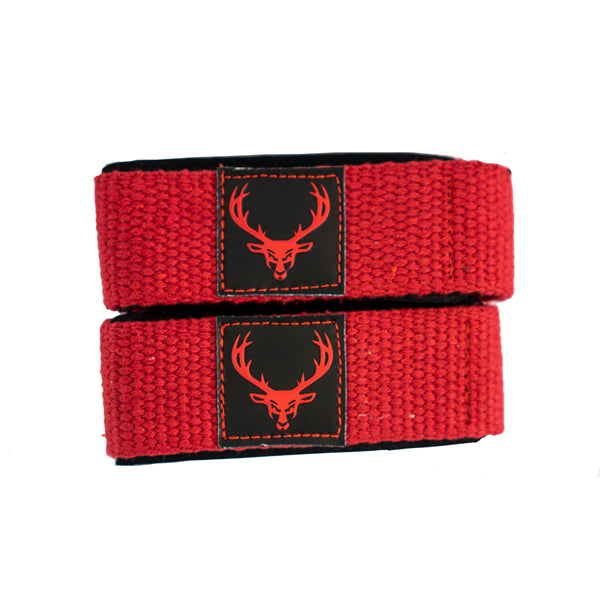
From what we know, these are cotton straps with wrist padding. That's a straightforward, effective setup. Cotton is great because it gives you durability, comfort, and just the right grip on the bar. It's softer on your wrists than rough stuff but still grabs well under weight. The padding helps because you need to crank them tight without it bugging you mid-set. In the gym, they're awesome for heavy deads, RDLs, barbell rows, dumbbell rows, pull-ups, pulldowns, shrugs, and machine pulls where your hands give up too soon.
It boils down to this: if grip quits first, your set ends wrong. Straps fix that. You get steadier heavy sets, better control on the way down for muscle-building reps, and solid performance in longer back workouts. For bodybuilders, it means focusing more on feeling the muscle work since you're not battling the bar. For strength guys, it's about handling bigger weights safely in your key lifts.
Key Highlights
- This is a gym tool, not a supp you take. You get instant grip help on pulls, no waiting for ingredients to kick in or worrying about tolerance.
- Made from cotton for that sweet spot of grip, toughness, and comfort. It grabs the bar well without feeling too rough on your hands and wrists.
- Wrist padding makes it comfy when loaded up. You can tighten them down without that pressure stealing your focus during reps.
- Shifts the quit point from your hands to the muscles you're targeting. On rows, dead variations, shrugs, and pulldowns, your lats, traps, erectors, glutes, and hams get the real workout.
- Awesome for big back days with lots of volume. As your hands tire out over the session, straps keep your form tight so sets don't turn into grip battles.
- Great for overloading deadlift helpers and back chain moves. Lots of folks train raw grip on main sets but use these to go heavy on RDLs, rack pulls, or rows without hands limiting you.
- Helps you feel the muscle better on growth-focused lifts. Less worry about slipping means you can control the speed, squeeze hard, and nail each rep.
- Handy in regular gyms where bars and handles get slippery. These give you reliable hold even if the knurling's worn or the grips aren't grippy.
Who Is This For?
- Bodybuilders in growth mode who want muscles to tire before grip. On rows, pulldowns, shrugs, and RDLs, these keep volume going to lats, traps, and hams.
- Powerlifters and strength fans doing heavy dead work. Great for overload accessories and fatigued sets where you load the chain, not just practice grip.
- Intermediate lifters whose back beats their grip. If hands slip before upper back or glutes get hit, straps boost set quality right away.
- Folks with packed pull days and tons of rows and pulldowns. Over 12-20 sets, they cut grip fatigue so late work still nails the muscles.
- Athletes using heavy dumbbells for rows, shrugs, or hinges. These lock you in better and cut distraction from slippery hands.
- Older lifters or comeback folks pushing hard but liking comfy control. Padded cotton's easier on wrists than harsh stuff.
How to Use
Grab these for lifts where hands limit you, like dead variations, RDLs, barbell and dumbbell rows, shrugs, pulldowns, and machine pulls. Thread around your wrist secure but not too tight, wrap the end over the bar or handle, then grip. Practice with lighter weight to nail the technique—setup's key. Don't use on every pull, especially if you're building raw grip. Smart way: warms and some mains without, then straps for heavy or tired sets. No dosing since you don't eat them, but strategy matters: use where they boost quality. Keep dry after sweaty sessions for comfort and life. Toss in your gym bag for those spot-on moments in regular gyms.
What to Expect
First time isn't a buzz or swell—it's that secure feel wrapping your wrist and bar. Right in the first set, less slip and less need to crush the handle. By set two or three, you notice your mind's on form and moving weight, not grip worries. Through the workout, pulls feel steady since hand tiredness doesn't end sets early. In a week, you're quicker at wrapping them right. Over 2-4 weeks, the payoff hits: better back and chain sessions, cleaner heavy work, and no more target muscles left undertrained.
Key Ingredients
-
Cotton Strap Construction — N/A — Improves grip security on heavy pulling movements
-
Padded Wrist Support — N/A — Adds comfort while tightening straps under load
Frequently Asked Questions
Is Bucked Up Lifting Straps a supplement?
No. This product is a lifting accessory, not an ingestible supplement. There is no Supplement Facts panel, no active nutritional ingredients, and no stimulant or pump effect—its purpose is grip support during resistance training.
What exercises are lifting straps best for?
They are most useful on heavy or high-volume pulling movements where grip fails before the target muscle. That includes deadlifts, Romanian deadlifts, rack pulls, barbell rows, dumbbell rows, shrugs, pulldowns, pull-ups, and some machine back work.
Will these straps replace grip training?
They should not replace it entirely. Used strategically, straps let you overload your back, traps, and hamstrings when grip would otherwise end the set early, but most lifters should still keep some raw-grip work in their program.
What is the advantage of cotton lifting straps?
Cotton is a classic strap material because it offers a good mix of comfort, durability, and friction against the bar. It is generally easier on the wrists and hands than harsher materials while still providing reliable support under load.
Why does wrist padding matter on lifting straps?
Padding improves comfort when the straps are tightened around the wrist under heavy tension. That matters because a strap only helps if you can cinch it securely without the wrist pressure becoming distracting mid-set.
Should beginners use lifting straps?
Beginners can use them, but they should first learn proper pulling mechanics and develop baseline grip strength. Straps are most valuable once you can identify that grip—not technique—is what is ending the set.
Can I use lifting straps for every pulling exercise?
You can, but that is not usually the smartest long-term strategy. Most experienced lifters use straps selectively on the sets or exercises where grip is the bottleneck, while leaving some work unassisted to maintain hand and forearm strength.
Do lifting straps help with mind-muscle connection?
For many lifters, yes. When less mental energy is spent fighting to hold the bar, it becomes easier to focus on the actual movement pattern and contracting the target muscle, especially during hypertrophy-focused rows and pulldowns.
Are these better for bodybuilding or powerlifting?
They work for both, but the use case differs. Bodybuilders often use straps to keep back work limited by the target muscle instead of the hands, while powerlifters typically use them more selectively for overload accessories and high-fatigue pulling volume.
How quickly will I notice a difference?
Usually in the first workout once you learn how to wrap them correctly. The immediate benefit is a more secure grip on the bar and fewer sets ending because your hands give out before your back or hamstrings do.